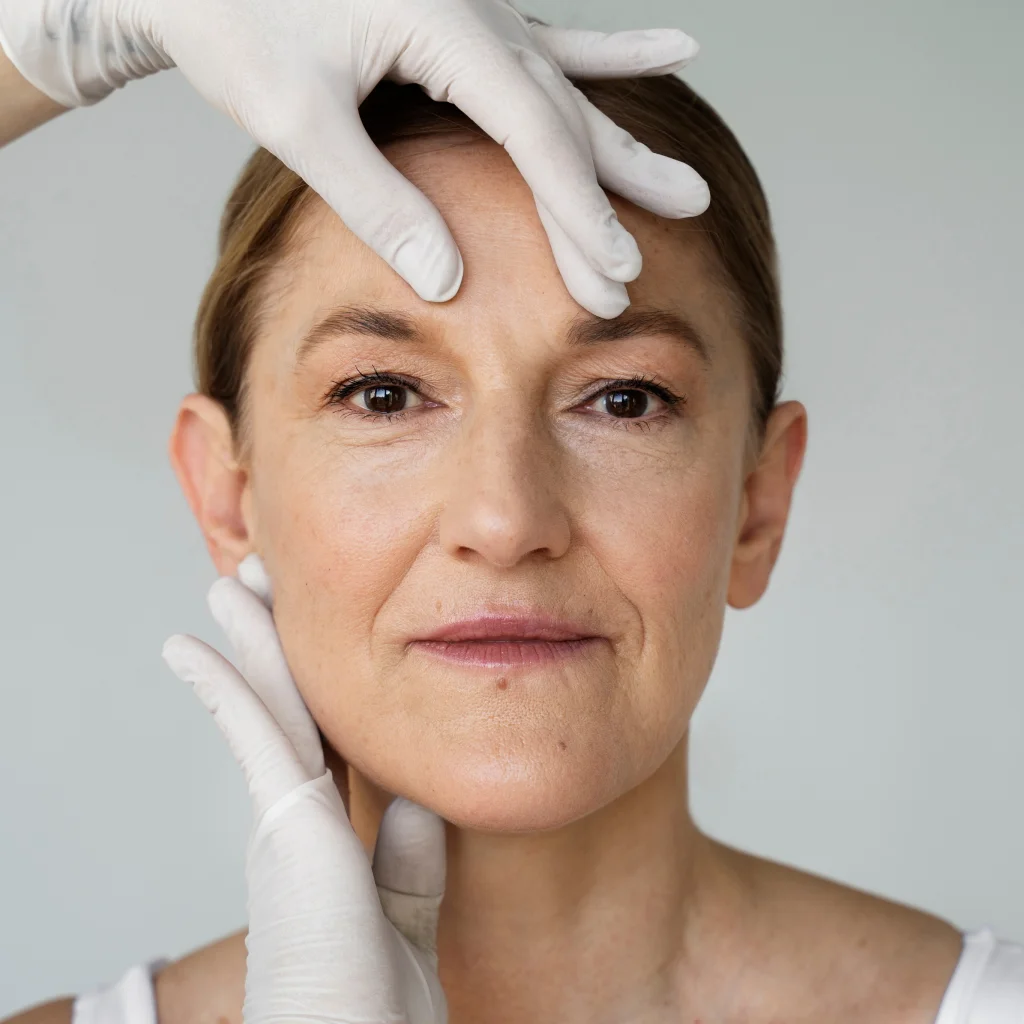
Erbium YAG laser treatment effectively reduces Dermatosis Papulosa Nigra lesions with precision and minimal discomfort.

Erbium YAG laser treatment effectively reduces Dermatosis Papulosa Nigra lesions with precision and minimal discomfort.

In the realm of cosmetic dermatology, Dermatosis Papulosa Nigra (DPN) removal has emerged as an effective treatment for small, benign pigmented lesions that commonly appear on the face, neck, and upper trunk. Unlike invasive surgical procedures, modern DPN treatments provide safe, minimally invasive solutions to improve skin appearance, address cosmetic concerns, and alleviate mild irritation.
With advanced options such as cryotherapy, electrosurgery, laser therapy, and curettage, DPN removal has gained popularity for its precision, minimal downtime, and noticeable cosmetic results.
This guide explores what DPN is, its causes, treatment options, benefits, potential side effects, and what to expect before, during, and after the procedure.
Dermatosis Papulosa Nigra consists of multiple small, darkly pigmented papules that usually appear in clusters. These lesions are typically round or oval, with a smooth or slightly verrucous surface, and vary in color from light brown to black.
DPN lesions are commonly found on the cheeks, temples, and around the eyes. While generally harmless and asymptomatic, some individuals may experience mild itching or irritation.
Liquid nitrogen freezes the lesions, destroying pigmented cells and allowing the skin to heal naturally. Usually effective with a single treatment.
High-frequency electrical currents target and eliminate pigmented tissue. Suitable for larger or thicker lesions and may require local anesthesia.
Focused laser beams, such as Q-switched lasers, precisely remove pigmented cells with minimal damage to surrounding skin. Particularly effective for multiple or resistant lesions with minimal downtime.
A small, spoon-shaped instrument scrapes off the lesions, often combined with cryotherapy or electrosurgery for complete removal.
Prescription creams containing hydroquinone or tretinoin can lighten lesions over time by promoting skin turnover. Results may take several weeks.
The exact cause of DPN is not fully understood, but several factors contribute to its development:

Mild side effects may include:
Ideal candidates are individuals who: