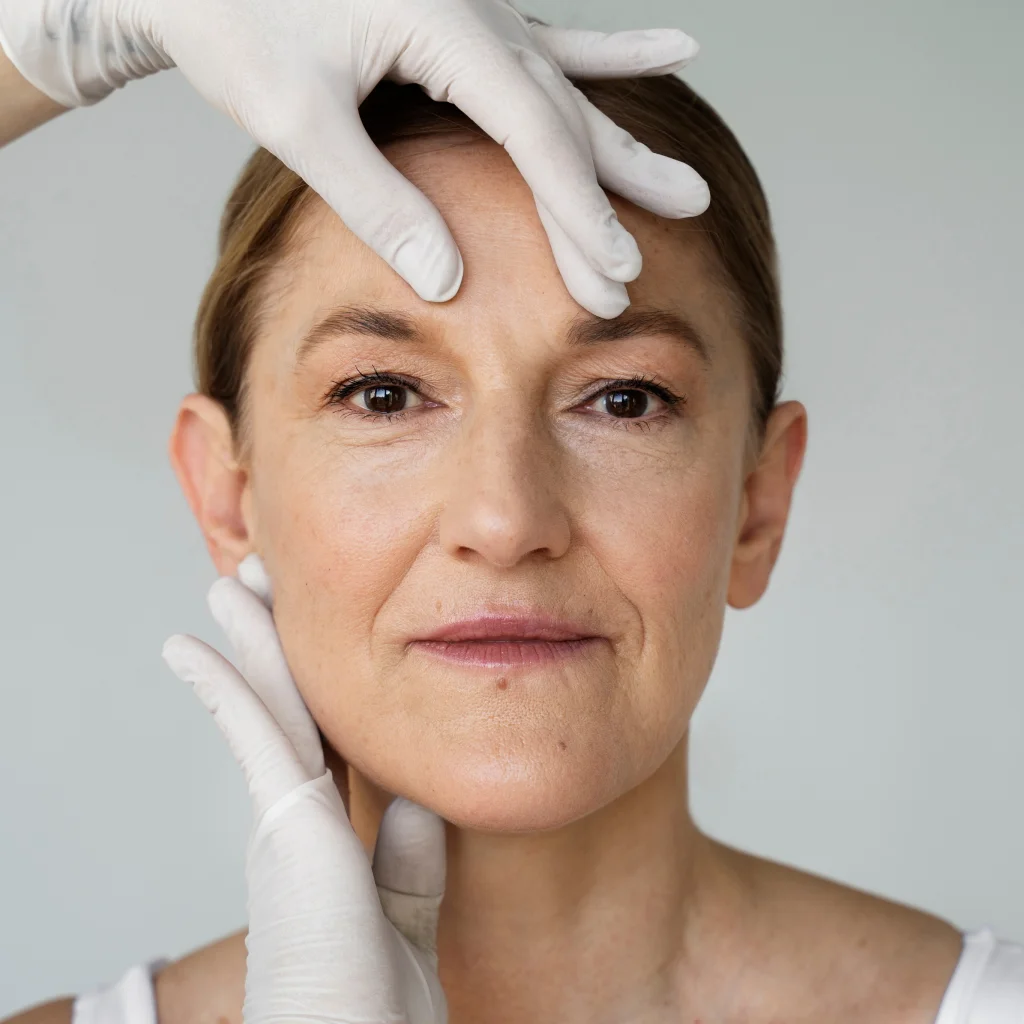
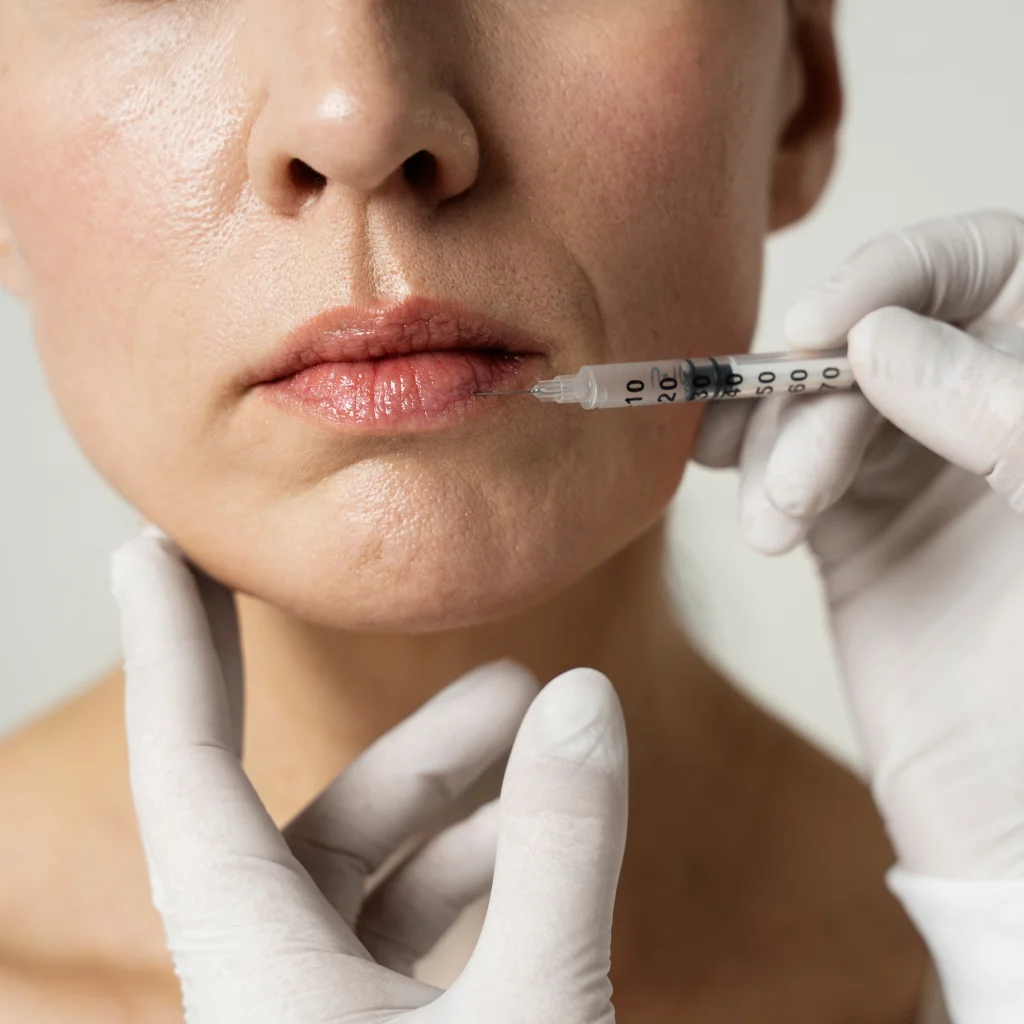
Milia Removal

Laser milia removal is a quick, precise, and effective method for safely eliminating small, unsightly skin cysts with minimal discomfort and downtime.

Introduction

In the realm of non-invasive cosmetic procedures, milia removal has emerged as an effective solution for improving skin appearance by targeting small, benign cyst-like bumps. Unlike surgical interventions that require incisions, modern treatments provide non-invasive or minimally invasive options to address milia, which commonly appear around the eyes, cheeks, and nose.

With advanced techniques such as manual extraction, laser therapy, and cryotherapy, milia removal has gained popularity for its ability to deliver smoother, clearer skin with minimal downtime.
This guide explores what milia are, how they form, treatment options, benefits, potential side effects, and what to expect before, during, and after the procedure.

What Are Milia?

Milia are tiny, hard bumps that form just beneath the skin’s surface. They are filled with keratin, a protein found in skin cells, which becomes trapped in the skin, leading to the formation of these small cysts. Commonly referred to as “milk spots,” milia are usually white or yellowish and measure 1 to 2 millimeters in diameter.

Milia frequently appear on the face, especially around the eyes, cheeks, and nose, but can also occur on other areas of the body. They are harmless and painless but can be cosmetically undesirable, particularly when clustered. Milia can develop in people of all ages and often persist without treatment, which is why removal procedures are commonly sought for aesthetic reasons.

Factors contributing to milia formation include trapped skin cells, sun damage, use of heavy skincare products, skin trauma, and genetic predisposition. They are distinct from acne, warts, or other lesions, and proper diagnosis ensures the most effective treatment.

How Does Milia Treatment Work?

Treatment focuses on removing or reducing the cysts while preserving surrounding healthy skin. The chosen method depends on the number, size, and location of the lesions.

 

  • Step 1: Manual Extraction A dermatologist uses a sterilized needle or comedone extractor to gently pierce and remove milia. This is a quick and minimally invasive method, usually performed in a clinical setting.
  • Step 2: Laser Therapy Focused laser energy precisely targets and vaporizes the cysts while minimizing damage to surrounding skin. Multiple sessions may be needed for widespread or resistant milia.
  • Step 3: Cryotherapy Liquid nitrogen freezes the cysts, causing them to gradually shed naturally. This method is effective for smaller lesions and typically requires only one or two treatments.
  • Step 4: Topical Retinoids & Chemical Peels Topical retinoids promote skin cell turnover, preventing keratin buildup, while chemical peels exfoliate the outer layers of skin to reduce the appearance of milia over time.
  • Step 5: Exfoliation Regular gentle exfoliation can help prevent milia formation by removing dead skin cells and promoting healthy skin turnover.

Benefits

  • Non-Surgical & Minimally Invasive: Most treatments require no cuts or sutures.
  • Improved Appearance: Removes bumps for smoother, clearer skin.
  • Minimal Downtime: Many methods allow quick return to normal activities.
  • Precision Treatment: Targets only the cysts without harming surrounding skin.
  • Long-Lasting Results: Proper treatment reduces recurrence of milia.

Potential Side Effects & Risks

Mild side effects may occur, including:

  • Temporary redness or swelling that usually resolves within a few days.
  • Minor scarring or changes in skin texture, especially with laser or chemical peel treatments.
  • Mild discomfort or sensitivity during or after treatment.
  • Rare risk of infection if aftercare instructions are not followed.

Before the Treatment

  • Consultation: A dermatologist evaluates the milia, discusses options, and confirms suitability.
  • Preparation: Avoid sun exposure and refrain from using heavy skincare products for a few days prior.
  • Clean Skin: Treatment area should be free from makeup or creams.

During the Treatment

  • Duration: Typically 15–45 minutes depending on the number and size of milia.
  • Comfort: Mild discomfort may occur; topical anesthesia may be applied if needed.
  • Procedure: The chosen method is applied to each lesion with precision to minimize surrounding tissue damage.

After the Treatment

  • Immediate Results: Mild redness or scabbing may appear but usually resolves within days.
  • Care: Keep the area clean, moisturized, and protected from direct sunlight.
  • Follow-Up: Additional sessions may be recommended for multiple or persistent lesions.

Who is an Ideal Candidate?

Ideal candidates are individuals who:

  • Have medically diagnosed milia that are cosmetically bothersome.
  • Desire smoother skin with minimal downtime.
  • Prefer non-invasive or minimally invasive treatments.
  • Have realistic expectations regarding cosmetic results.